

Showing conent tagged:
Policy and coordination

A new US$2 million Challenge will help up to 10 countries bring biodiversity into their national budgets and reform subsidies that harm Nature. Countries can start preparing now.
A four-day coordination workshop in Mombasa, convened by WIO-C member organisations, focused on Kenya’s marine and coastal inputs to CBD COP17, the launch of the WCS-led Kenya Marine 30×30 Project and the country’s national OECM process.

Peru’s National Biodiversity Commission (CONADIB) held its third ordinary meeting, bringing together more than 21 government and civil society institutions to coordinate biodiversity priorities and prepare for COP17 in Armenia.

Peru brought together ministries, research institutes, universities and technical specialists to advance the update of its National Action Plan on Invasive Alien Species and its National List of Invasive Alien Species. The NBSAP Accelerator Partnership supported the process, which is expected to establish a new implementation horizon through 2031.

Kenya held the inaugural meeting of its Nature for Health scoping phase in Nairobi. The meeting started a participatory process to address the environmental drivers of zoonotic disease through a preventive One Health approach.

The NBSAP Accelerator Partnership presented at Peru’s national congress for regional conservation areas, connecting with government and non-governmental actors working across 25 regions of the country.
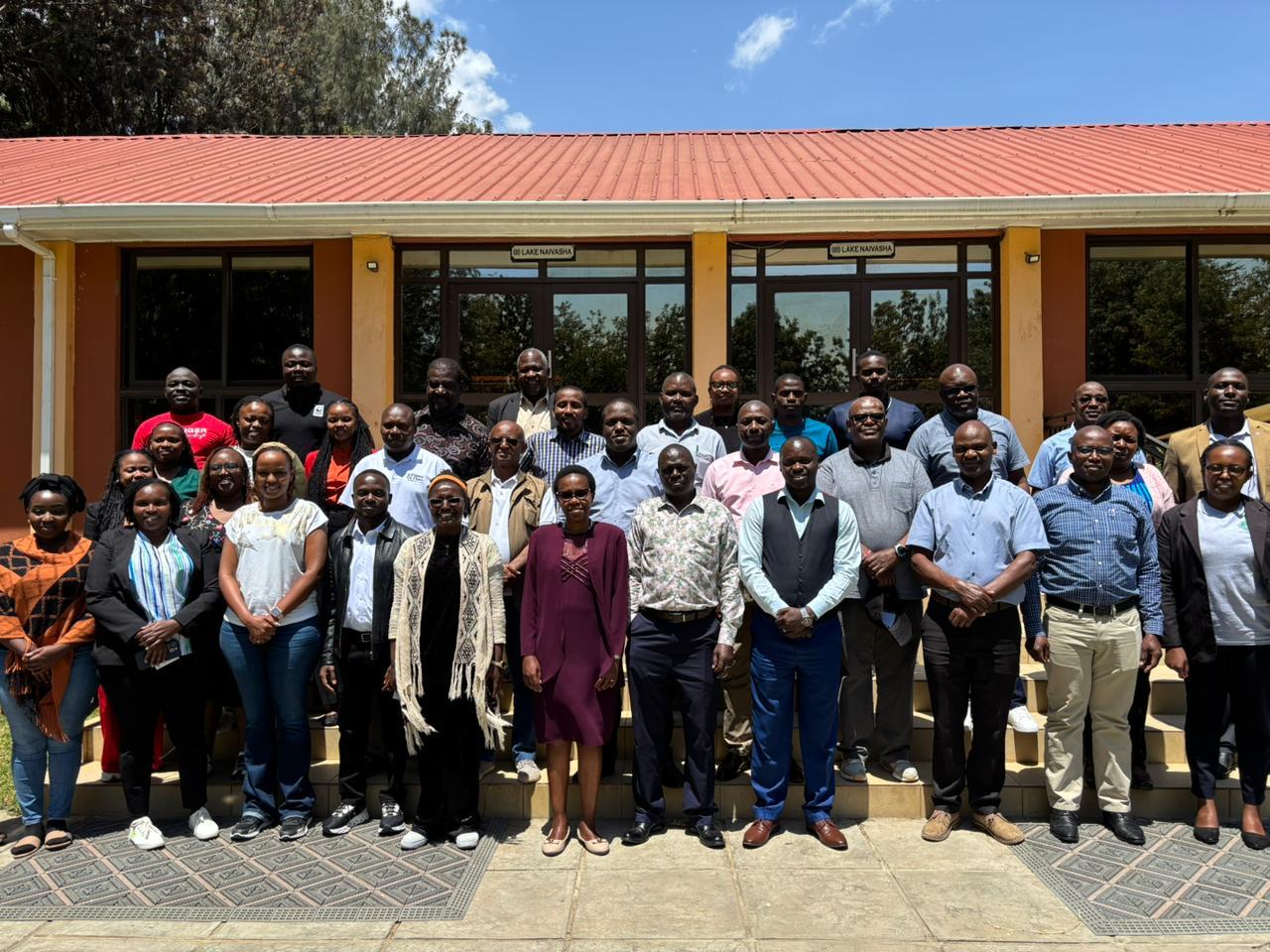
Government agencies, civil society and development partners gathered in Naivasha for a week-long review of Kenya’s draft updated National Biodiversity Strategy and Action Plan, working through the draft chapter by chapter and target by target ahead of validation in October.

Seventy participants from across Thailand’s government, research and private sectors gathered in Bangkok this week to turn shared biodiversity and climate commitments into coordinated, investable action on the ground.

The NBSAP Accelerator Partnership and the Indigenous Peoples and Biodiversity Coalition convened the 3rd National Roundtable on Indigenous Peoples and Biodiversity in the Philippines, bringing together Indigenous Peoples’ groups, civil society, international organizations, and government agencies to discuss the challenges, risks, and opportunities affecting Indigenous Peoples’ participation in biodiversity conservation.

The Spotlight Series showcases NBSAP Accelerator Partnership members and suppliers who actively accelerate the implementation of National Biodiversity Strategies and Action Plans (NBSAPs) under the Global Biodiversity Framework. Each feature examines specific capabilities, experience, and implementation approaches, and how these align with needs and implementation gaps identified by countries.