

Home / Recent news / Peru advances NBSAP implementation through invasive alien species measures
Peru advances NBSAP implementation through invasive alien species measures
Home / Recent news / Peru advances NBSAP implementation through invasive alien species measures
Peru advances NBSAP implementation through invasive alien species measures

- Peru held a national technical workshop to review and update its National List of Invasive Alien Species, as part of the National Action Plan on Invasive Alien Species 2022-2026.
- The Ministry of Environment, together with technical specialists and public institutions, carried out the workshop to strengthen prevention, control, and management measures.
- Through the support of the NBSAP Accelerator Partnership’s Facilitator Programme, Peru is promoting technical coordination, multisectoral participation, and practical implementation aligned with the Kunming-Montreal Global Biodiversity Framework.
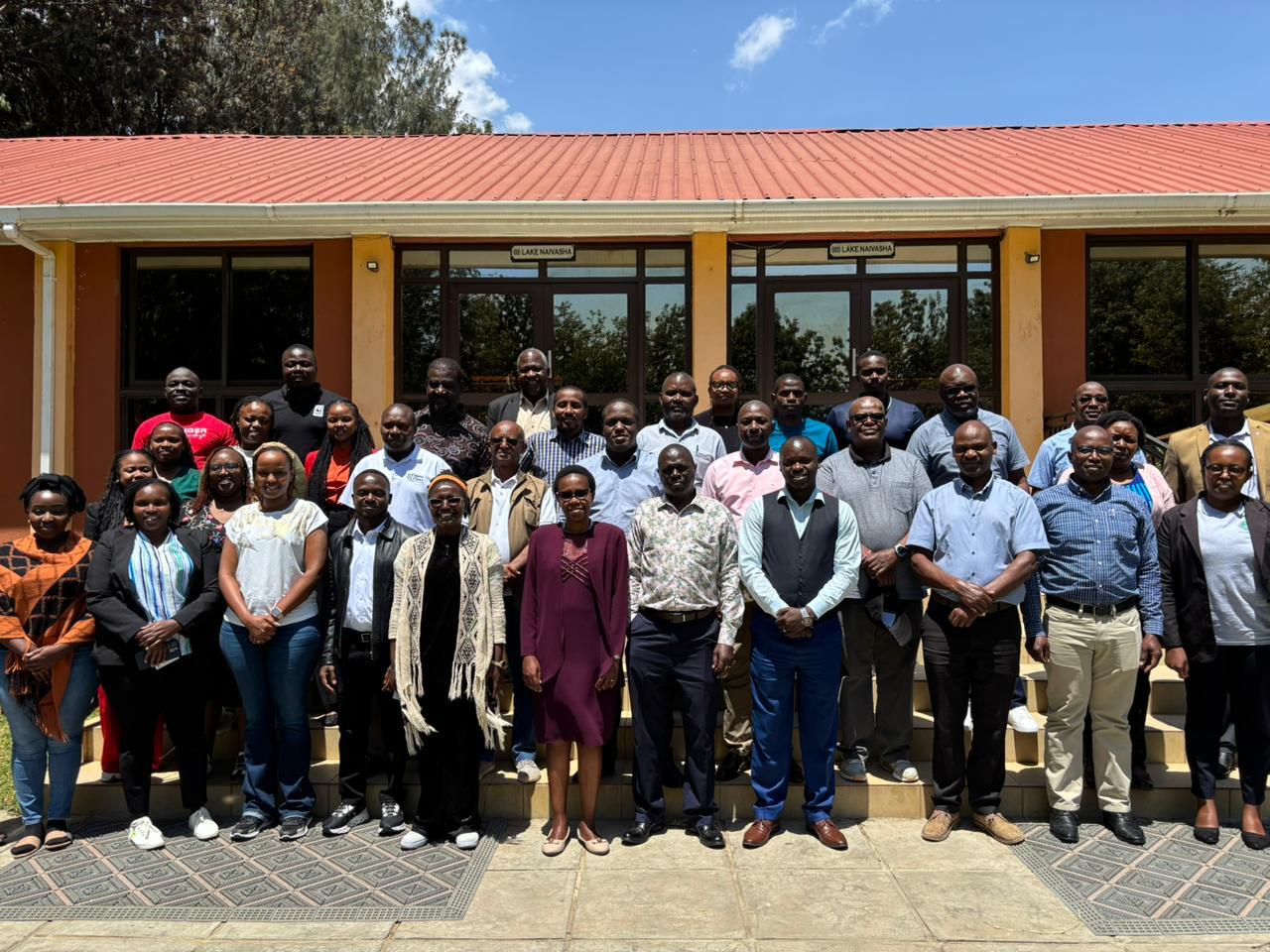
On 15 May 2026, Peru convened a national technical workshop to review and update the National List of Invasive Alien Species as part of the implementation of the National Action Plan on Invasive Alien Species 2022-2026. Organized by the Ministry of Environment (MINAM) through the General Directorate of Biological Diversity, the workshop brought together representatives from public institutions, technical specialists, academia, and other stakeholders involved in biodiversity management, with support from the NBSAP Accelerator Partnership Facilitator Programme, which is assisting countries in accelerating the implementation of their NBSAPs under the Kunming-Montreal Global Biodiversity Framework. The workshop also welcomed Dolores Barrientos, UNEP Focal Point for Peru, Ecuador, and Venezuela, as a guest participant.
Turning technical coordination into action
The workshop represents a concrete step in translating Peru’s National Biodiversity Strategy into operational actions. Invasive alien species are recognized globally as one of the main drivers of biodiversity loss, directly affecting ecosystems, food security, water resources, local economies, and human well-being.
During the event, Alfredo Gálvez, NBSAP Accelerator Partnership in-country facilitator, presented the objectives and scope of the partnership and highlighted the ongoing technical support being provided to advance the implementation of Peru’s NBSAP under the Kunming-Montreal Global Biodiversity Framework.
Participants also worked in specialized technical groups addressing terrestrial ecosystems, inland aquatic ecosystems, marine-coastal ecosystems, and priority ecosystems for management. The process allowed institutions and experts to review existing information, identify technical updates, and strengthen coordination mechanisms for prevention, control, and management measures, while reinforcing institutional collaboration among key biodiversity stakeholders.
Addressing biodiversity threats through practical measures
Peru is one of the world’s megadiverse countries, yet continues facing growing pressures from ecosystem degradation, land-use change, pollution, climate impacts, and biological invasions. While the country has made important progress in strengthening its biodiversity policy framework, implementation remains the main challenge.
Invasive alien species increasingly represent a cross-cutting development issue. Their impacts go beyond biodiversity conservation and extend to agricultural productivity, fisheries, water security, ecosystem resilience, and local livelihoods. Addressing these threats requires sustained technical coordination and practical management tools.
The NBSAP Accelerator Partnership has been supporting Peru in keeping implementation momentum by facilitating technical dialogue, institutional coordination, and exchange opportunities among stakeholders involved in biodiversity action.
Strengthening existing national instruments
One of the main priorities has been strengthening existing instruments and technical processes already under implementation. Rather than creating entirely new mechanisms, Peru is reinforcing national coordination platforms and updating the technical information needed for evidence-based decision-making.
The revision of the National List of Invasive Alien Species provides an important foundation for future prevention, monitoring, and response measures. It also contributes directly to the implementation of national biodiversity targets related to invasive alien species management under the NBSAP.
This approach reflects the value of practical, technically grounded actions that can keep generating results even during periods of institutional transition or shifting political priorities.
Building long-term implementation capacity
Peru’s experience shows how targeted technical processes can contribute to advancing biodiversity implementation in a practical and collaborative way. Updating the National List of Invasive Alien Species strengthens the country’s capacity to address one of the most significant threats to biodiversity while reinforcing coordination among institutions and specialists.
Through the continued support of the NBSAP Accelerator Partnership Facilitator Programme, Peru will continue promoting implementation-oriented actions that help translate national biodiversity commitments into measurable, long-term results.
Looking ahead
The outcomes of this workshop are expected to contribute to the formal approval by the Government of Peru of the updated National Lists of Invasive Alien Species, as well as to the revision and strengthening of the National Action Plan on Invasive Alien Species. Together, these processes will provide an updated technical foundation to improve prevention, monitoring, control, and management measures across terrestrial, freshwater, and marine-coastal ecosystems.
These efforts will also support Peru in advancing the implementation of its NBSAP and in contributing to the achievement of Target 6 under the Kunming-Montreal Global Biodiversity Framework and Target 19 under Peru’s NBSAP, focused on preventing and reducing the impacts of invasive alien species on biodiversity, ecosystem services, and sustainable development.
- Peru held a national technical workshop to review and update its National List of Invasive Alien Species, as part of the National Action Plan on Invasive Alien Species 2022-2026.
- The Ministry of Environment, together with technical specialists and public institutions, carried out the workshop to strengthen prevention, control, and management measures.
- Through the support of the NBSAP Accelerator Partnership’s Facilitator Programme, Peru is promoting technical coordination, multisectoral participation, and practical implementation aligned with the Kunming-Montreal Global Biodiversity Framework.
On 15 May 2026, Peru convened a national technical workshop to review and update the National List of Invasive Alien Species as part of the implementation of the National Action Plan on Invasive Alien Species 2022-2026. Organized by the Ministry of Environment (MINAM) through the General Directorate of Biological Diversity, the workshop brought together representatives from public institutions, technical specialists, academia, and other stakeholders involved in biodiversity management, with support from the NBSAP Accelerator Partnership Facilitator Programme, which is assisting countries in accelerating the implementation of their NBSAPs under the Kunming-Montreal Global Biodiversity Framework. The workshop also welcomed Dolores Barrientos, UNEP Focal Point for Peru, Ecuador, and Venezuela, as a guest participant.
Turning technical coordination into action
The workshop represents a concrete step in translating Peru’s National Biodiversity Strategy into operational actions. Invasive alien species are recognized globally as one of the main drivers of biodiversity loss, directly affecting ecosystems, food security, water resources, local economies, and human well-being.
During the event, Alfredo Gálvez, NBSAP Accelerator Partnership in-country facilitator, presented the objectives and scope of the partnership and highlighted the ongoing technical support being provided to advance the implementation of Peru’s NBSAP under the Kunming-Montreal Global Biodiversity Framework.
Participants also worked in specialized technical groups addressing terrestrial ecosystems, inland aquatic ecosystems, marine-coastal ecosystems, and priority ecosystems for management. The process allowed institutions and experts to review existing information, identify technical updates, and strengthen coordination mechanisms for prevention, control, and management measures, while reinforcing institutional collaboration among key biodiversity stakeholders.
Addressing biodiversity threats through practical measures
Peru is one of the world’s megadiverse countries, yet continues facing growing pressures from ecosystem degradation, land-use change, pollution, climate impacts, and biological invasions. While the country has made important progress in strengthening its biodiversity policy framework, implementation remains the main challenge.
Invasive alien species increasingly represent a cross-cutting development issue. Their impacts go beyond biodiversity conservation and extend to agricultural productivity, fisheries, water security, ecosystem resilience, and local livelihoods. Addressing these threats requires sustained technical coordination and practical management tools.
The NBSAP Accelerator Partnership has been supporting Peru in keeping implementation momentum by facilitating technical dialogue, institutional coordination, and exchange opportunities among stakeholders involved in biodiversity action.
Strengthening existing national instruments
One of the main priorities has been strengthening existing instruments and technical processes already under implementation. Rather than creating entirely new mechanisms, Peru is reinforcing national coordination platforms and updating the technical information needed for evidence-based decision-making.
The revision of the National List of Invasive Alien Species provides an important foundation for future prevention, monitoring, and response measures. It also contributes directly to the implementation of national biodiversity targets related to invasive alien species management under the NBSAP.
This approach reflects the value of practical, technically grounded actions that can keep generating results even during periods of institutional transition or shifting political priorities.
Building long-term implementation capacity
Peru’s experience shows how targeted technical processes can contribute to advancing biodiversity implementation in a practical and collaborative way. Updating the National List of Invasive Alien Species strengthens the country’s capacity to address one of the most significant threats to biodiversity while reinforcing coordination among institutions and specialists.
Through the continued support of the NBSAP Accelerator Partnership Facilitator Programme, Peru will continue promoting implementation-oriented actions that help translate national biodiversity commitments into measurable, long-term results.
Looking ahead
The outcomes of this workshop are expected to contribute to the formal approval by the Government of Peru of the updated National Lists of Invasive Alien Species, as well as to the revision and strengthening of the National Action Plan on Invasive Alien Species. Together, these processes will provide an updated technical foundation to improve prevention, monitoring, control, and management measures across terrestrial, freshwater, and marine-coastal ecosystems.
These efforts will also support Peru in advancing the implementation of its NBSAP and in contributing to the achievement of Target 6 under the Kunming-Montreal Global Biodiversity Framework and Target 19 under Peru’s NBSAP, focused on preventing and reducing the impacts of invasive alien species on biodiversity, ecosystem services, and sustainable development.
The NBSAP Accelerator Partnership is a country-led initiative that supports the implementation of NBSAPs to collectively achieve the goals and targets of the Kunming-Montreal Global Biodiversity Framework. It is co-chaired by Colombia and Germany, supported by the governments of Germany, Norway, Canada and France, and coordinated by a Global Coordination Unit hosted by the Secretariat of the CBD, UNDP and UNEP.

The NBSAP Accelerator Partnership is a country-led initiative that supports the implementation of NBSAPs to collectively achieve the goals and targets of the Kunming-Montreal Global Biodiversity Framework. It is co-chaired by Colombia and Germany, supported by the governments of Germany, Norway, Canada and France, and coordinated by a Global Coordination Unit hosted by the Secretariat of the CBD, UNDP and UNEP.
Explore more news


Explore more news