

Home / Recent news / Strengthening Indigenous Peoples’ participation in Kenya’s biodiversity planning: An onboarding and co-design workshop
Strengthening Indigenous Peoples’ participation in Kenya’s biodiversity planning: An onboarding and co-design workshop
Home / Recent news / Strengthening Indigenous Peoples’ participation in Kenya’s biodiversity planning: An onboarding and co-design workshop
Strengthening Indigenous Peoples’ participation in Kenya’s biodiversity planning: An onboarding and co-design workshop

- The NBSAP Accelerator Partnership, in collaboration with the Government of Kenya’s Ministry of Environment, Climate Change and Forestry and IMPACT Kenya, convened a three-day Indigenous Peoples Onboarding and Co-Design Workshop in Naivasha from 24–26 June 2026.
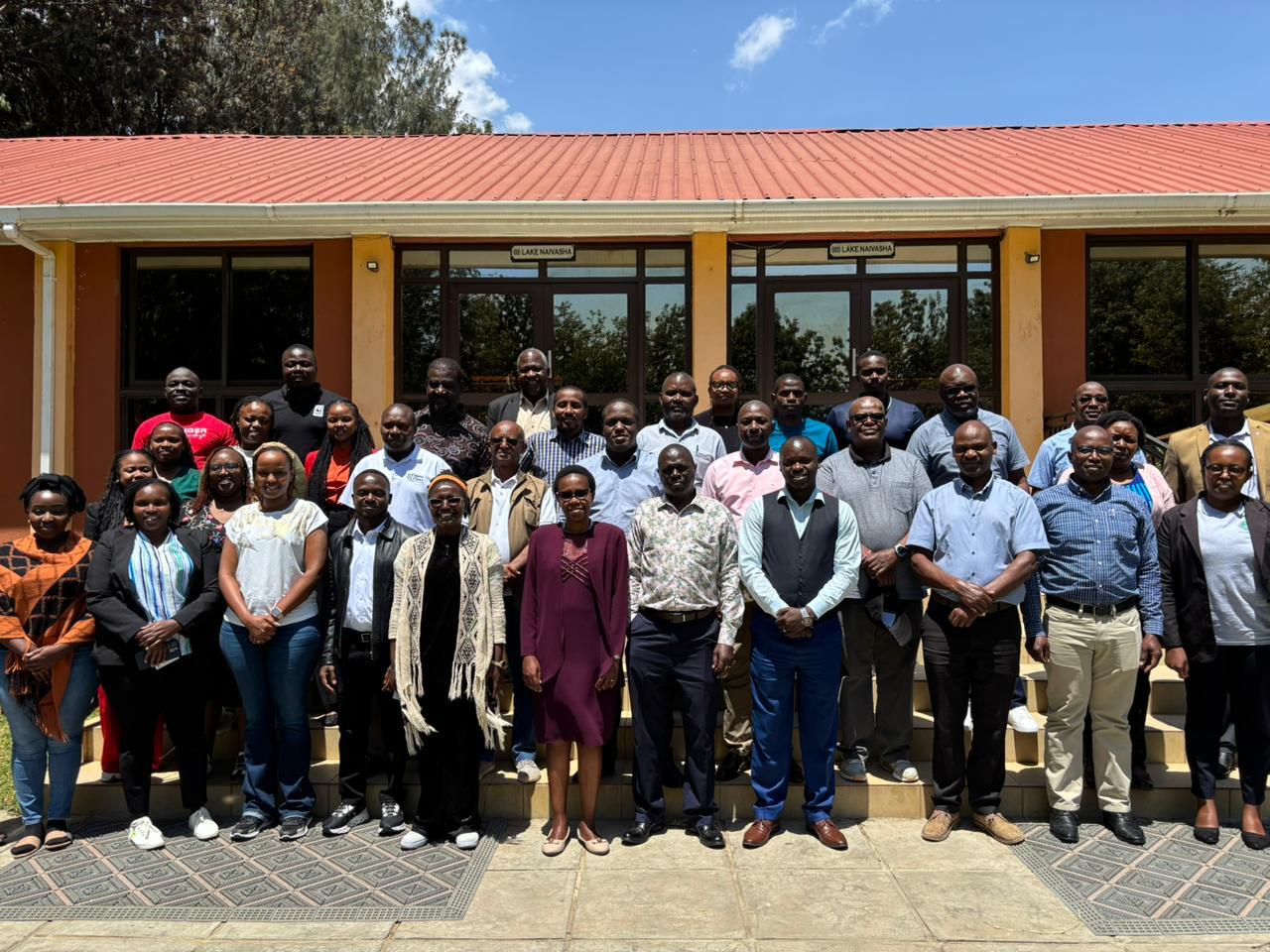
- The workshop brought together 25 representatives from Indigenous Peoples’ organizations, government institutions, and civil society to co-design an inclusive process for strengthening Indigenous Peoples’ participation in Kenya’s NBSAP implementation.
- Guided by the principles of Free, Prior and Informed Consent (FPIC), participants mapped current participation experiences, identified barriers and opportunities, and contributed foundational inputs toward the development of an Indigenous Peoples’ Engagement Framework.
The Kunming-Montreal Global Biodiversity Framework calls on Parties to ensure the full, effective, equitable, and gender-responsive participation of Indigenous Peoples in biodiversity governance, implementation, monitoring, and reporting. In Kenya, while progress has been made in NBSAP implementation, Indigenous Peoples continue to face challenges related to recognition of rights, land tenure security, access to information, and the integration of Indigenous Knowledge Systems within biodiversity policy and practice.
To help address these gaps, the NBSAP Accelerator Partnership, the Ministry of Environment, Climate Change and Forestry, and IMPACT Kenya convened a three-day Indigenous Peoples Onboarding and Co-Design Workshop from 24–26 June 2026 at Sawela Lodges in Naivasha. The workshop brought together 25 representatives from Indigenous Peoples’ organizations, government institutions, and civil society and technical partners to jointly shape the direction and methodology of a consultancy aimed at strengthening Indigenous Peoples’ meaningful participation in Kenya’s NBSAP implementation.
A co-design process grounded in FPIC
The workshop adopted a participatory approach ensuring that Indigenous Peoples were not merely consulted but actively shaped the priorities and direction of the process. Through plenary discussions, thematic breakout groups, stakeholder mapping exercises, and visioning sessions, participants explored how Indigenous Peoples are currently engaged in biodiversity governance, what barriers limit meaningful participation, and what structures and mechanisms would be considered effective and appropriate going forward. All engagement was guided by the principles of Free, Prior and Informed Consent.
Building on the outcomes of the 2025 Indigenous Peoples Learning Workshop in Nanyuki — which produced a Communiqué calling for an Indigenous Peoples’ NBSAP coordination mechanism and stronger representation in governance structures — this workshop marked the first major activity under the Partnership’s Kenya Programme consultancy on Indigenous Peoples’ participation. Case studies from Zimbabwe and the Philippines provided comparative reference points for participants to draw lessons and explore what approaches Kenya could adapt and apply.
Toward an Indigenous Peoples' Engagement Framework
The workshop generated stakeholder inputs on participation priorities, barriers, and opportunities; a stakeholder mapping; and foundational elements for an Indigenous Peoples’ Engagement Framework that is grounded in Indigenous governance systems, knowledge, and aspirations. These outputs will directly inform subsequent regional and community consultations, legal and policy analysis of Kenya’s NBSAP framework, and a participation-gap assessment identifying systemic barriers to inclusion.
The process reflects the NBSAP Accelerator Partnership’s commitment to supporting country-led, inclusive approaches to biodiversity planning — ensuring that the voices and knowledge of Indigenous Peoples and local communities are embedded in the national processes that will shape Kenya’s path toward achieving the goals of the Kunming-Montreal Global Biodiversity Framework.
- The NBSAP Accelerator Partnership, in collaboration with the Government of Kenya’s Ministry of Environment, Climate Change and Forestry and IMPACT Kenya, convened a three-day Indigenous Peoples Onboarding and Co-Design Workshop in Naivasha from 24–26 June 2026.
- The workshop brought together 25 representatives from Indigenous Peoples’ organizations, government institutions, and civil society to co-design an inclusive process for strengthening Indigenous Peoples’ participation in Kenya’s NBSAP implementation.
- Guided by the principles of Free, Prior and Informed Consent (FPIC), participants mapped current participation experiences, identified barriers and opportunities, and contributed foundational inputs toward the development of an Indigenous Peoples’ Engagement Framework.
The Kunming-Montreal Global Biodiversity Framework calls on Parties to ensure the full, effective, equitable, and gender-responsive participation of Indigenous Peoples in biodiversity governance, implementation, monitoring, and reporting. In Kenya, while progress has been made in NBSAP implementation, Indigenous Peoples continue to face challenges related to recognition of rights, land tenure security, access to information, and the integration of Indigenous Knowledge Systems within biodiversity policy and practice.
To help address these gaps, the NBSAP Accelerator Partnership, the Ministry of Environment, Climate Change and Forestry, and IMPACT Kenya convened a three-day Indigenous Peoples Onboarding and Co-Design Workshop from 24–26 June 2026 at Sawela Lodges in Naivasha. The workshop brought together 25 representatives from Indigenous Peoples’ organizations, government institutions, and civil society and technical partners to jointly shape the direction and methodology of a consultancy aimed at strengthening Indigenous Peoples’ meaningful participation in Kenya’s NBSAP implementation.
A co-design process grounded in FPIC
The workshop adopted a participatory approach ensuring that Indigenous Peoples were not merely consulted but actively shaped the priorities and direction of the process. Through plenary discussions, thematic breakout groups, stakeholder mapping exercises, and visioning sessions, participants explored how Indigenous Peoples are currently engaged in biodiversity governance, what barriers limit meaningful participation, and what structures and mechanisms would be considered effective and appropriate going forward. All engagement was guided by the principles of Free, Prior and Informed Consent.
Building on the outcomes of the 2025 Indigenous Peoples Learning Workshop in Nanyuki — which produced a Communiqué calling for an Indigenous Peoples’ NBSAP coordination mechanism and stronger representation in governance structures — this workshop marked the first major activity under the Partnership’s Kenya Programme consultancy on Indigenous Peoples’ participation. Case studies from Zimbabwe and the Philippines provided comparative reference points for participants to draw lessons and explore what approaches Kenya could adapt and apply.
Toward an Indigenous Peoples' Engagement Framework
The workshop generated stakeholder inputs on participation priorities, barriers, and opportunities; a stakeholder mapping; and foundational elements for an Indigenous Peoples’ Engagement Framework that is grounded in Indigenous governance systems, knowledge, and aspirations. These outputs will directly inform subsequent regional and community consultations, legal and policy analysis of Kenya’s NBSAP framework, and a participation-gap assessment identifying systemic barriers to inclusion.
The process reflects the NBSAP Accelerator Partnership’s commitment to supporting country-led, inclusive approaches to biodiversity planning — ensuring that the voices and knowledge of Indigenous Peoples and local communities are embedded in the national processes that will shape Kenya’s path toward achieving the goals of the Kunming-Montreal Global Biodiversity Framework.
The NBSAP Accelerator Partnership is a country-led initiative that supports the implementation of NBSAPs to collectively achieve the goals and targets of the Kunming-Montreal Global Biodiversity Framework. It is co-chaired by Colombia and Germany, supported by the governments of Germany, Norway, Canada and France, and coordinated by a Global Coordination Unit hosted by the Secretariat of the CBD, UNDP and UNEP.
The NBSAP Accelerator Partnership is a country-led initiative that supports the implementation of NBSAPs to collectively achieve the goals and targets of the Kunming-Montreal Global Biodiversity Framework. It is co-chaired by Colombia and Germany, supported by the governments of Germany, Norway, Canada and France, and coordinated by a Global Coordination Unit hosted by the Secretariat of the CBD, UNDP and UNEP.
Explore more news


Explore more news