

Showing conent tagged:
Mainstreaming

Discussions at the 30th Plenary of the Network on Environment and Development Co-operation (ENVIRONET) of the Development Assistance Committee (DAC) underscored that successful NBSAP delivery depends on integrating biodiversity into development finance systems, strengthening institutional coherence, and building credible, investable pipelines supported by enabling conditions and country-led coordination.

The fourth World Biodiversity Forum in Davos will bring together participants across sectors and generations to co-develop biodiversity-positive futures and address the social and cultural drivers of environmental degradation.

The NBSAP Accelerator Partnership met with Mozambique’s Ministry of Economy to explore how tourism can advance national biodiversity targets under the Kunming-Montreal Global Biodiversity Framework, with discussions covering community-based tourism, hunting tourism, and the development of bankable project proposals.

Indigenous Peoples’ organizations in the Philippines gathered in Quezon City for a costing and capacity-building workshop to advance implementation of the Indigenous Peoples’ Biodiversity Strategy and Action Plan, identifying funding gaps within their ancestral domains.
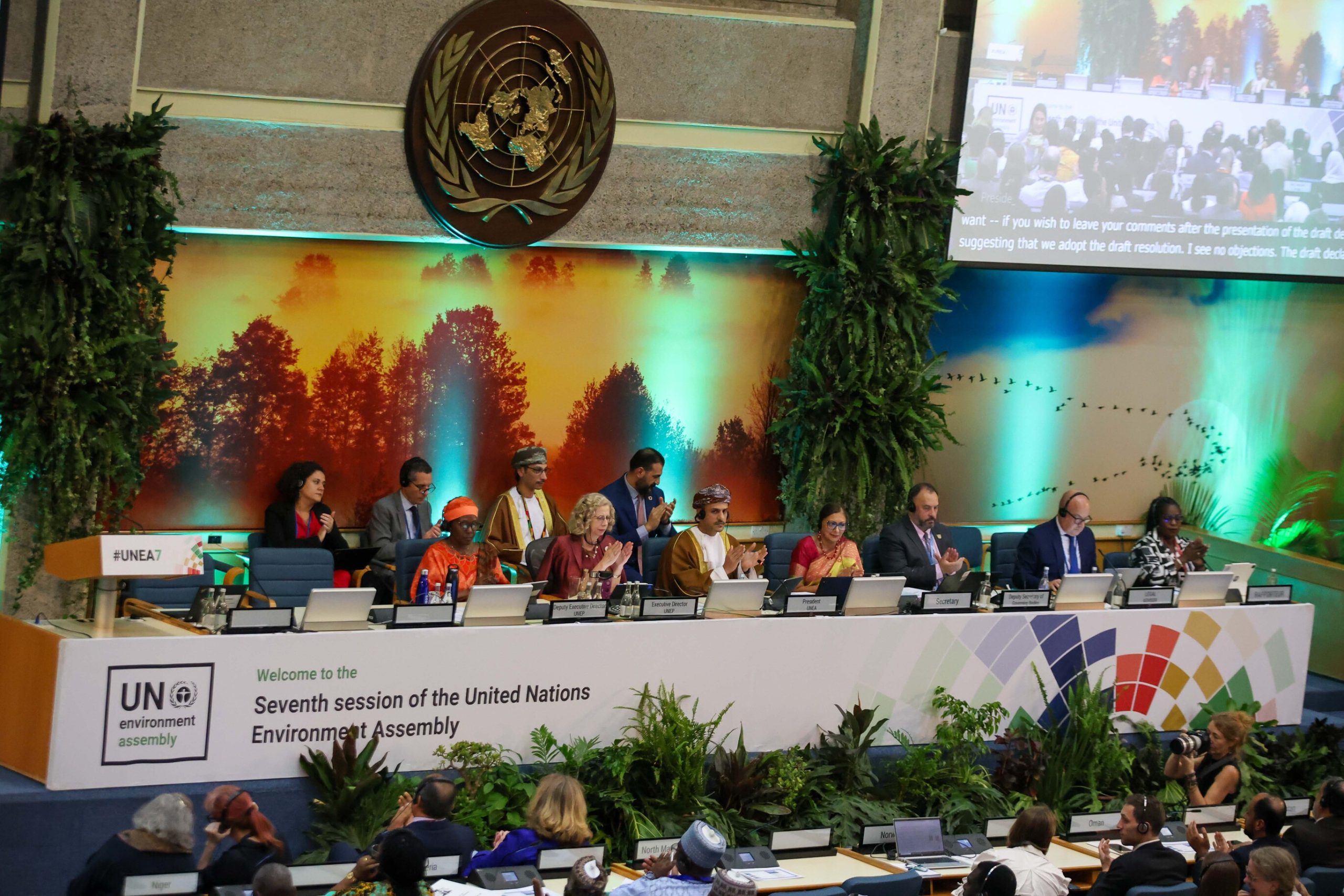
UNEA-7 underscored the urgent need to accelerate country-led, integrated solutions to the triple planetary crisis, underscored the importance of NBSAPs, and provided space for countries like the DRC to mobilise integrated solutions.
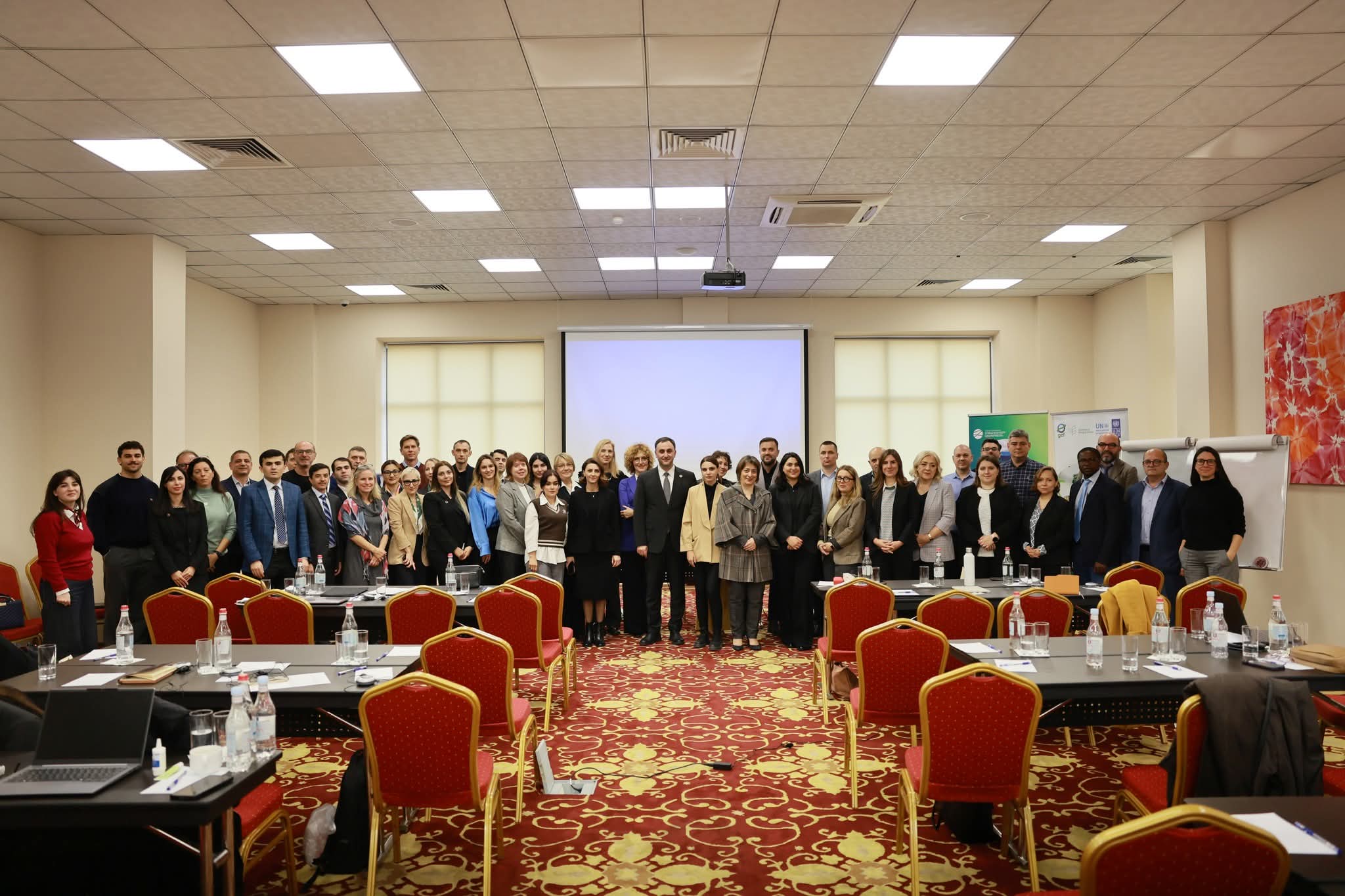
The CBD regional dialogue held in Armenia highlighted growing momentum to strengthen biodiversity monitoring, integrate health considerations, and accelerate implementation of NBSAPs through dialogue, peer learning, and coordinated action.
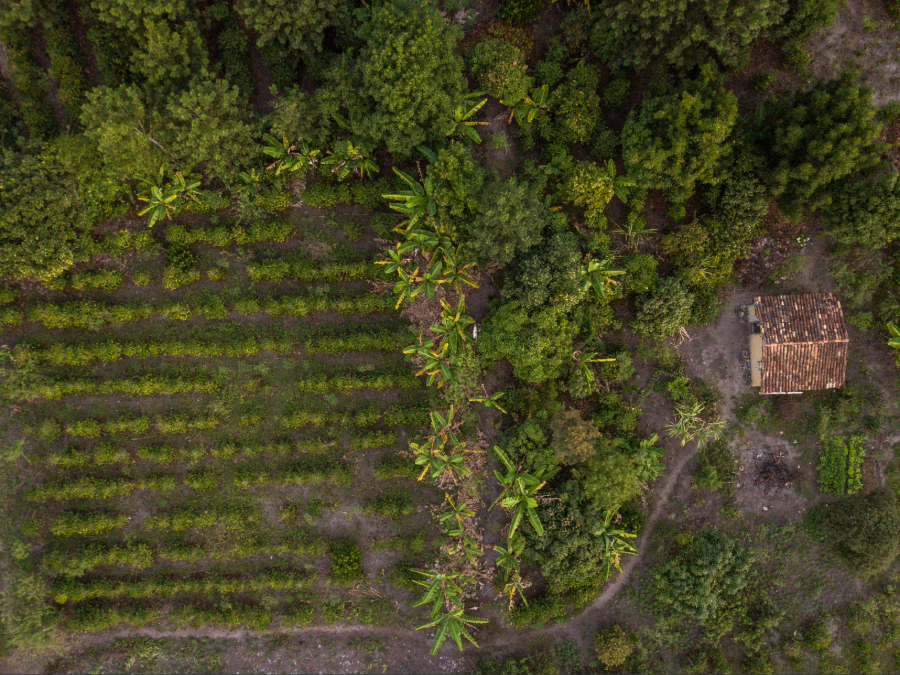
Nature-climate-land synergies: What will it take to improve alignment and accelerate transformation?
Nature–climate–land synergies are emerging as a cornerstone for transformative action under the Rio Conventions.

Mozambique convened its Second National Dialogue on Other Effective Area-Based Conservation Measures in Maputo, bringing together government institutions, scientific bodies, and conservation partners to consolidate a national vision and roadmap for OECMs.
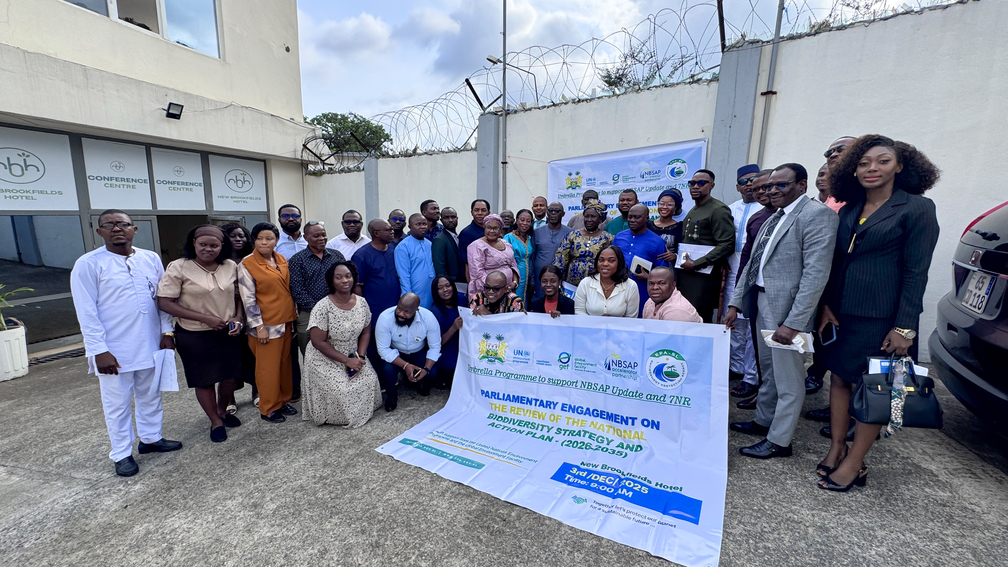
Parliamentarians in Sierra Leone engaged in a briefing on the update of the National Biodiversity Strategy and Action Plan (2026–2035), highlighting the role of legislation, coordination and financing in accelerating implementation.
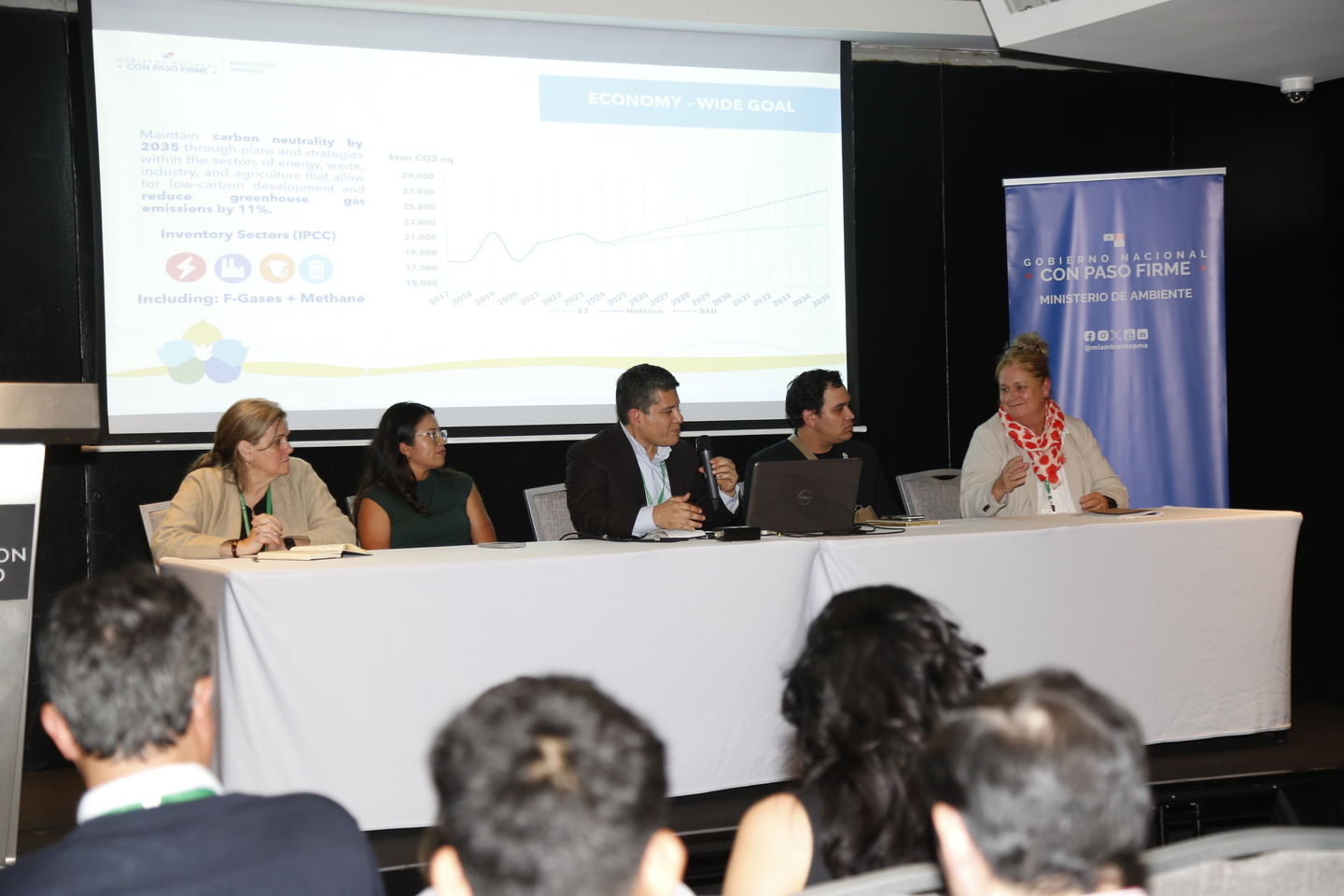
Panama presented its Nature Pledge at a dedicated SBSTTA-27 side event, showcasing its integrated national framework aligning biodiversity, climate, and land commitments under the three Rio Conventions.