

Showing conent tagged:
Mainstreaming

The Government of Mozambique and IUCN Mozambique convened national actors to discuss a new model for river basin planning that strengthens water security, ecosystem protection and community participation.

Kenya convened a national multi-stakeholder workshop to advance biodiversity mainstreaming across agriculture, livestock, and forestry, disseminating validated policy briefs with recommendations for small-scale farmers, pastoralists, and charcoal producers.
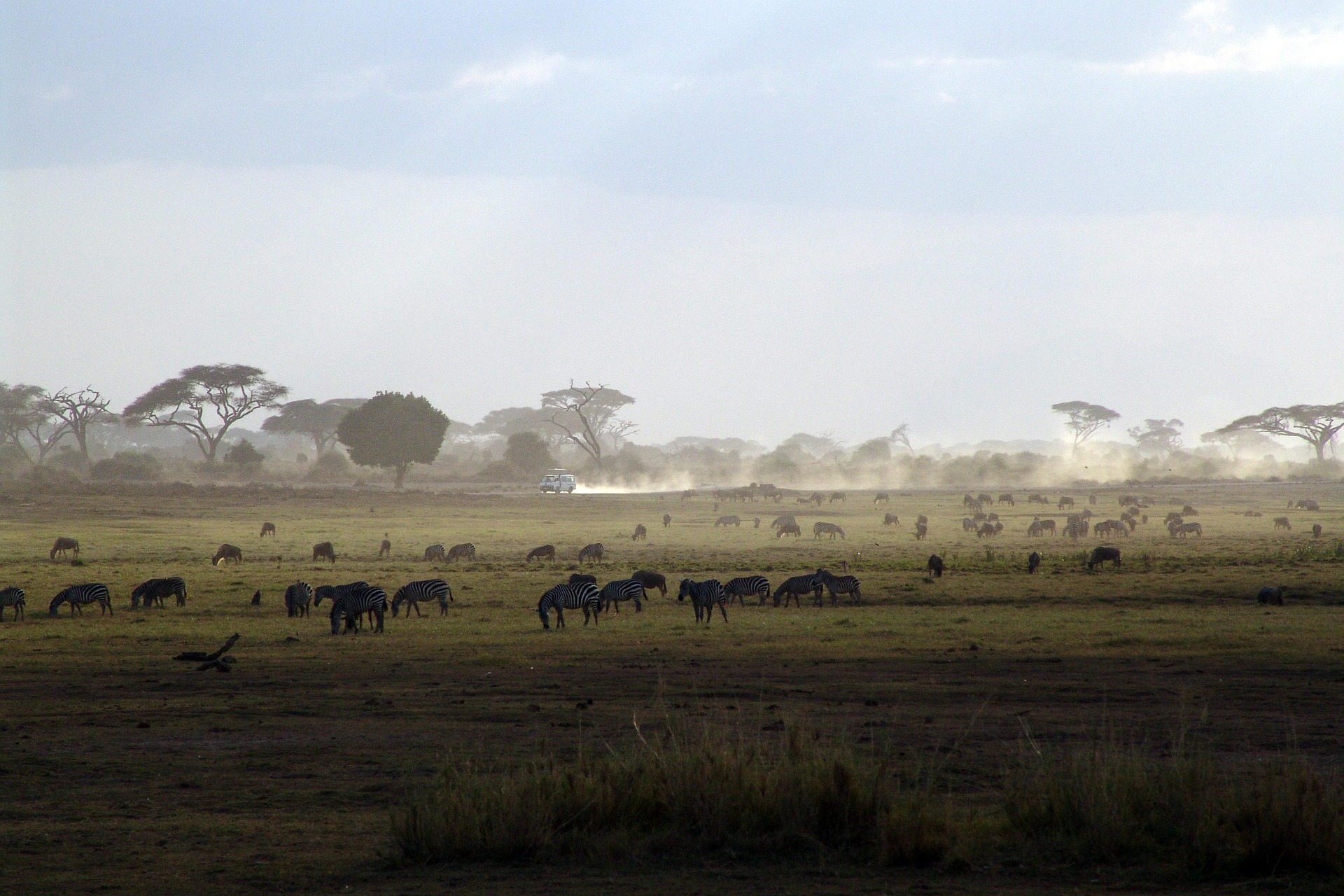
Kenya’s participation in the 2025 Circular Economy Conference reinforced the role of circular practices in reducing ecosystem pressures and advancing national biodiversity commitments.

The NBSAP Accelerator Partnership participated in Ecuador’s International Congress on Sustainable Energy in Quito, where discussions reinforced the importance of integrating energy transition into biodiversity and climate policy.

Vanuatu has completed a national validation workshop bringing together representatives from all six provinces, marking a key milestone in finalising its revised NBSAP 2026-2030.
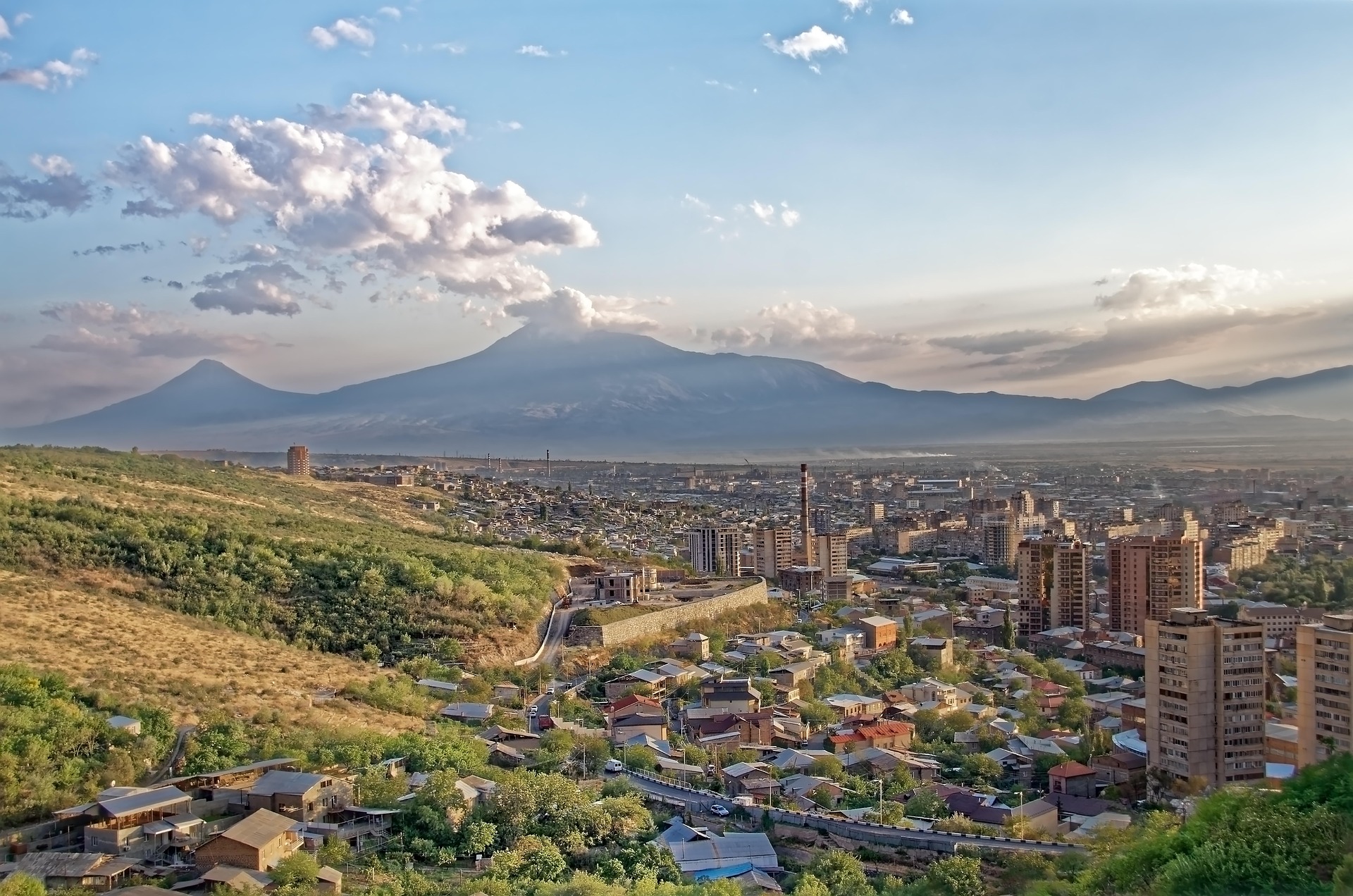
Countries from Central Asia and Eastern Europe will meet in Yerevan for a regional dialogue on biodiversity monitoring and reporting, with a dedicated focus on the interlinkages between biodiversity and health.

The seventh session of the United Nations Environment Assembly in Nairobi will bring together Member States and stakeholders to strengthen environmental governance and advance inclusive solutions for a resilient planet.
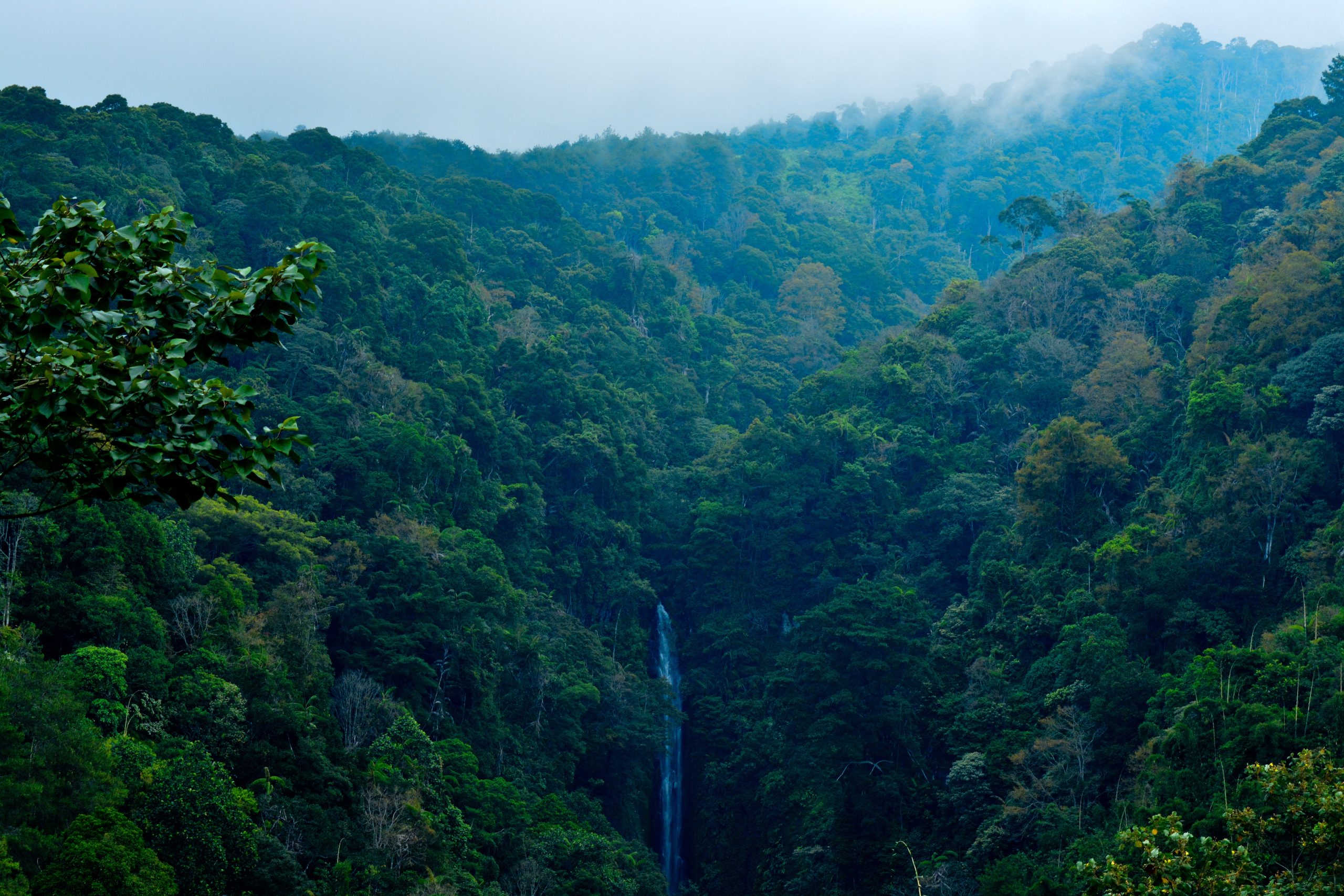
A delegation from Brazil, the Democratic Republic of the Congo, and Indonesia travelled through Indonesia’s forests and islands for the second in a series of South-South study trips, exchanging practical approaches to biodiversity governance, community-led conservation, and restoration financing.

Advancing integrated action for the Global Biodiversity Framework: Insights from SBSTTA-27 in Panama
SBSTTA-27 in Panama advanced the scientific and technical foundations for implementing the Kunming-Montreal Global Biodiversity Framework, highlighting the need for integrated action across biodiversity, climate, and land agendas, and showcasing Panama’s Nature Pledge model for aligning commitments under the three Rio Conventions.

A three-day national workshop in Astana brought together Kazakhstan’s government, UN agencies, and civil society to strengthen coherence across the country’s biodiversity, climate, and land strategies.